Post-Operative Instructions Parotidectomy
Post-operative care for a parotidectomy involves managing surgical drains, wound hygiene, and closely monitoring facial nerve function. Recovery typically requires a 1–2-day hospital stay, followed by 2 weeks of resting at home while avoiding heavy lifting, strenuous exercise, and medications that increase bleeding risks.
Immediate Hospital Care
- Surgical Drains: A small drain is often placed during surgery to prevent fluid buildup. This is typically removed after 1–2 days once the fluid output decreases.
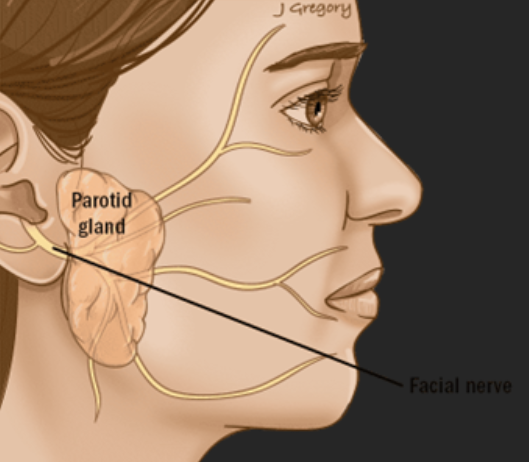
- Facial Nerve Monitoring: The facial nerve runs directly through the parotid gland, so your care team will regularly check your ability to move your forehead, close your eyes, and smile.
- Pain Management: Pain is usually mild to moderate. Use Paracetamol as directed.
Wound & Scar Care
- Keep it Dry: Keep the incision site and any dressings clean and dry for the first 24–48 hours.
- Showering: You can generally take a shower after 48 hours but avoid soaking or scrubbing the incision. Gently pat the area dry.
- Stitches: Stitches or staples are usually removed about 7 to 10 days post-surgery. Dr Kelly may use absorbable (dissolvable) stitches that do not require removal.
Activity & Diet
- Physical Activity: Avoid heavy lifting (anything over 10kg) and any activity that breaks a sweat for at least 2 weeks. Rest is essential for healing.
- Diet: Resume a normal diet but opt for softer foods in the beginning and avoid extremely spicy, acidic (e.g., citrus/tomato), or sticky foods that cause hyper
- Chewing: It is actually beneficial to chew normal foods to help stretch and prevent stiffness in the jaw and neck muscles.
Important Precautions
- Avoid Blood Thinners: Do not take aspirin, ibuprofen (e.g., Nurofen), or certain herbal supplements for at least 2 weeks post-surgery, as they can increase the risk of bleeding.
- Follow-up: Plan to see your surgeon or GP about 1–2 weeks after the procedure for a wound check, facial nerve assessment, and to discuss the biopsy/histopathology results.
When to Contact Your Doctor
Reach out to Dr Kellys rooms or go to the nearest emergency department of where you had your surgery, if you experience any of the following warning signs:
- Severe, increasing pain that is not relieved by medication.
- Uncontrolled bleeding from the wound site.
- Signs of infection such as increasing redness, warmth, or pus at the incision site.
- High fever
- Sudden weakness or worsening of facial drooping on the affected side.