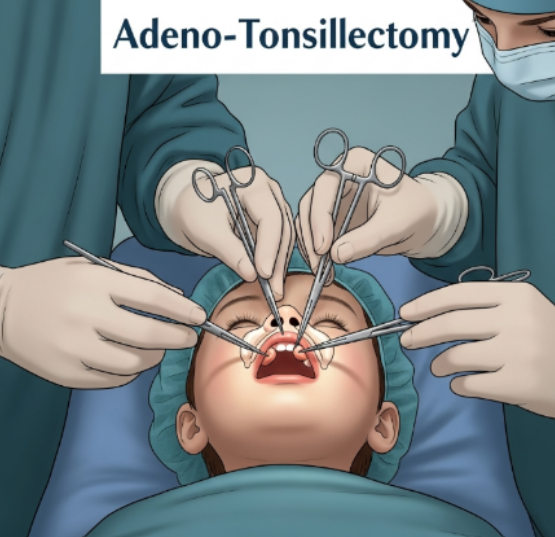
Paediatric Adenotonsillectomy - Adenoids & Tonsils
Benefits of Adenotonsillectomy
Improved sleep quality
Reduction of obstructive sleep apnoea and mouth breathing
Relief from recurrent tonsillitis and throat infections
Key Points for Parents
Adenotonsillectomy is a widely used and evidence-based procedure in otolaryngology head and neck surgery.
It is an effective treatment for sleep-disordered breathing, recurrent infections and airway obstruction.
Follow Dr Kelly’s instructions regarding regular pain relief, diet, rest and monitoring for signs of bleeding.
A single dose of postoperative steroids is often used to reduce swelling and improve comfort.
Contact your doctor if you have concerns about your child’s healing, especially bleeding, persistent pain or fever.
Common Temporary Side Effects
Many children experience temporary side effects as the body heals:
Sore throat and ear discomfort
Bad breath
Neck pain or swelling
Slight changes to the child’s voice
Mild weight loss due to reduced appetite
Slightly enlarged neck lymph nodes related to cervical adenitis
These symptoms are usually self-resolving and improve within a few days with proper pain management, rest and supportive care.
Less Common Side Effects
Bleeding – go to the nearest hospital.
Weakness of the palate – liquids may come out of the nose when swallowed.
Key Aspects of Adenotonsillectomy Recovery and Aftercare
Pain Management: Mild to moderate pain in the throat, ears or neck is common in the first several days after surgery. Your child will need regular pain medication, particularly in the first few days.
Diet and Hydration: A soft diet is recommended during recovery to minimise your child’s throat irritation and protect the surgical site as it heals. Offer foods such as yoghurt, mashed potatoes, soups or smoothies. Avoid spicy foods, acidic foods and very hot foods or drinks for the first several days. Encourage your child to drink plenty of fluids to stay hydrated and support healing.
Activity Restrictions: Children should rest and avoid strenuous activity, heavy lifting or rough play until cleared by the surgeon. It is best not to return to school or childcare before the surgeon’s recommendation. Adequate rest supports healing and reduces the risk of complications.
Monitoring for Complications: Parents should watch for signs of bleeding, infection or persistent vomiting. Minor bleeding or irritation is common, but significant or ongoing bleeding requires immediate medical attention. Visit your nearest emergency department should you have any serious concerns or complications.
Oral Hygiene: Encourage gentle oral care to prevent infection and reduce bad breath, which is common after surgery. Avoid vigorous brushing in the throat area during the early recovery period.
Return to Normal Activities
It takes 10–14 days for most children to fully recover.
Your child will need to be home from school or daycare during this time with a responsible adult supervising.
General activities can be resumed when you feel up to it.
Please avoid active sports, exercise and heavy lifting for 2 weeks.
If only an adenoidectomy is performed (instead of tonsillectomy or both), recovery is generally 5–7 days.