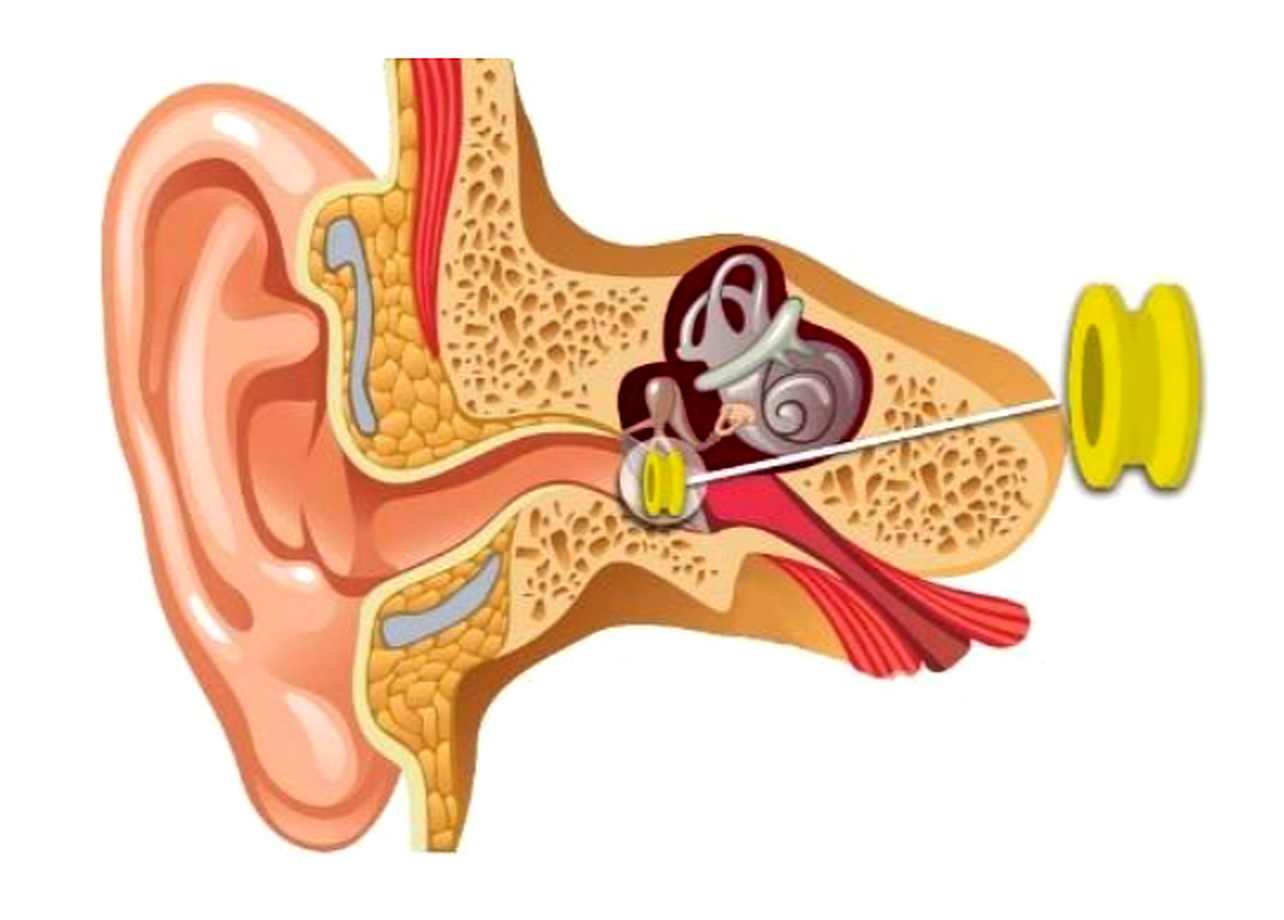
Grommets
Also called middle ear ventilation tubes or just tubes.
What are grommets?
Grommets are small tubes that are inserted through the eardrum to allow ventilation of the airspace on the other side of the eardrum. This space is also known as the middle ear. For the ear to work normally this middle ear space needs to contain air at normal atmospheric pressure. There are different designs of grommets, most commonly short to medium stay designs are used but on occasion long stay grommets may be required.
When are they indicated?
Recurrent middle ear infections
Persistent fluid in the middle ear ( Glue ear )
Eustachian tube dysfunction or recurrent barotrauma
How long do they last?
Short to medium stay grommets last on average 9 to 12 months. Sometimes they may extrude early or may last up to 2 years. On rare occasions they do not come out by themselves and may need to be removed. Long stay grommets are designed to stay in for several years.
The operation in children
This is a simple procedure performed as day surgery. General anaesthesia is administered via a gaseous technique. No breathing tubes or needles are required in most cases. Whilst under the anaesthetic and using a microscope a small incision is placed in the eardrum, and the Grommet is positioned through the incision.
The operation in adults
In most cases this can be performed under topical anaesthesia in the consulting room without the need for hospitalisation. No injections are required. Occasionally in narrow or difficult ear canals admission to day surgery with general anaesthesia may be necessary..
In adults who had the procedure under topical anaesthesia return to normal activities is immediate in most cases.
Pain relief
Pain is not normally a major problem following grommets. One or two doses of paracetamol may be required. It is not unusual for adults to report dullness or a blocked feeling in the ear for a few days.
Flying
Having a functioning grommet makes flying easier. Most ear problems with flying are due to an inability to equalise the air pressure in the middle ear. Because the Grommet allows free flow of air between the middle ear and the atmosphere pressure trauma does not occur. In most cases flying should be possible by the next day.
Discharge from the ear
Grommets are ventilating tubes and as such their function is to let air into the middle ear, not to facilitate drainage. If there is a mucoid discharge from the ear this normally indicates infection. It will usually settle readily with antibiotic eardrops. If you notice a discharge, please contact my rooms for an appointment or see your General Practitioner.
After Surgery
You/or your child will require 1 – 2 days/weeks off work/school to allow a full recovery.
You/or your child should avoid swimming pool activities/lessons until the postoperative appointment with Dr Kelly or your GP.
You may restart these activities using adequate swimming ear plugs and a head band or cap afterwards
Please do not dive under water even with plugged ear canals.
Discharge/Infection:
Discharge from the ears occurs in probably 15-20% of patients with grommets, due to getting water in the ears or from an upper respiratory infection. It is not disastrous but should be treated.
Often patients are treated for some time with oral antibiotics, unsuccessfully because the main organism is resistant to these.
Most ear discharges respond to antibiotic ear drops of which Ciloxan® or Ciproxin HC® are the safest and most effective (needs doctor’s prescription).
Post operative instructions
You will be given instructions for care upon discharge.
Follow-up The first follow up appointment will normally be within 2 to 3 weeks of the surgery.
When to call the Doctor
If You or your child experience ear infection (discharge), fever, or severe pain that doesn’t respond to the prescribed analgesic’s please go the Emergency Department of where you or your child had the surgery.